

savoring the second summer
hosting and creating content with Adobe

hello everyone!!! I truly can’t believe how fast time is flying this year. We are now really into the swing of second summer, and I couldn’t be happier about it —surprising, I know, but I’m feeling very ready for a seasonal shift!
If you didn’t read my last newsletter, second summer is a period of time that spans from the second week of August through the official last day of summer, September 21st. I described the energy of second summer like an impromptu Sunday funday with your friends that absolves you of all scaries you had for the upcoming week. It’s this limbo period where it’s both acceptable to wear a sweater and enjoy a cooler morning, while continuing to partake in summer activities whenever possible.
Plus…tomato season goes until October, and some of my favorite farmer's market items like dahlias and cranberry beans are at their peak in September.
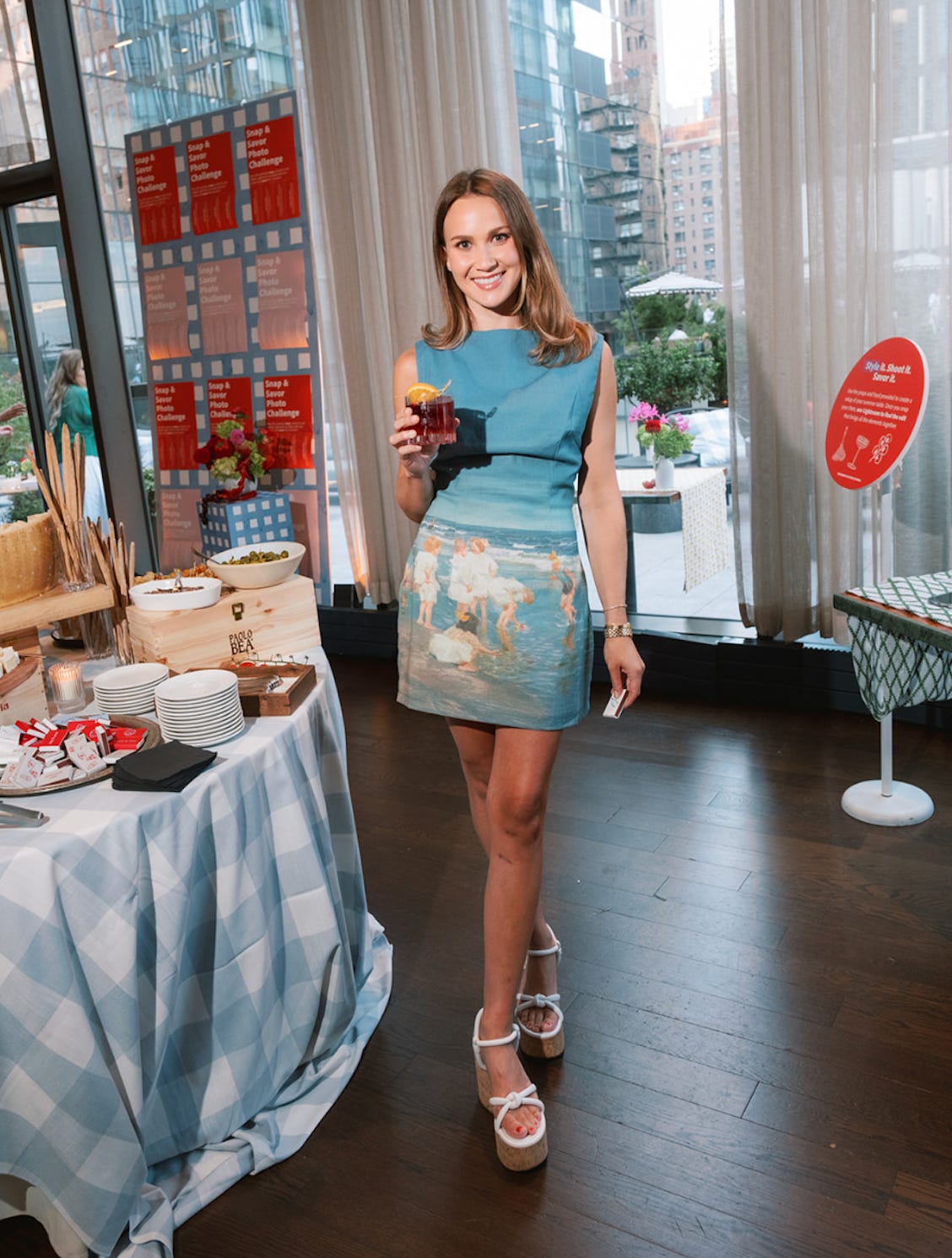
To that end, last month, I had the incredibly cool opportunity to host a dinner with a dream partner of mine—Adobe—where the theme was “Savor The Summer”. I thought I’d use this newsletter to walk through not only what that looked like and how you can host your own themed dinner (theme idea: second summer ????), but also how I use Adobe’s tools to elevate both my dinner parties with Express and my everyday content with Lightroom (which has been with me since the beginning of WBK)!
summer hosting and entertaining
Here is the formula I typically follow when hosting to make the meal memorable, especially when the dinner has a theme.
#1: Menu Building
I like to create menus that are very relaxed and can be prepared mostly ahead of time, so that I can spend quality time with my guests rather than running back and forth from the kitchen. Like I said before, the summer season always flies by too fast, so it’s important to make a conscious effort to savor every moment.
We held this event at Ci Siamo’s rooftop space, and I teamed up with Head Chef Hillary Sterling to curate a summer-forward menu – fresh herbs, ripe produce, and Italian cuisine at its peak. Ci Siamo uses a wood-burning stove (which we could smell throughout dinner in the best way!!!), so menu items already lent themselves to that fresh, hot-off-the-open-flame, summer feel.
For passed hors d’oeuvres as guests arrived, we had tomato arancini, crab toast bites, and spicy tuna toast. Once seated, our first family-style course was a colorful insalata verde, a tomato pizzette, and a sweet-and-savory caramelized onion torte.
For our pasta course, we had fusilli with fresh tomato and buffalo butter, and cavatelli alla scoglio with crab, chili, and vermouth.
The main course was artic char, roasted zucchini, smashed potatoes, and a 45-oz bistecca fiorentina (t-bone steak) cooked on the wood-fire grill.
For dessert, there was a basque cheesecake and a variety of seasonal sorbet flavors.
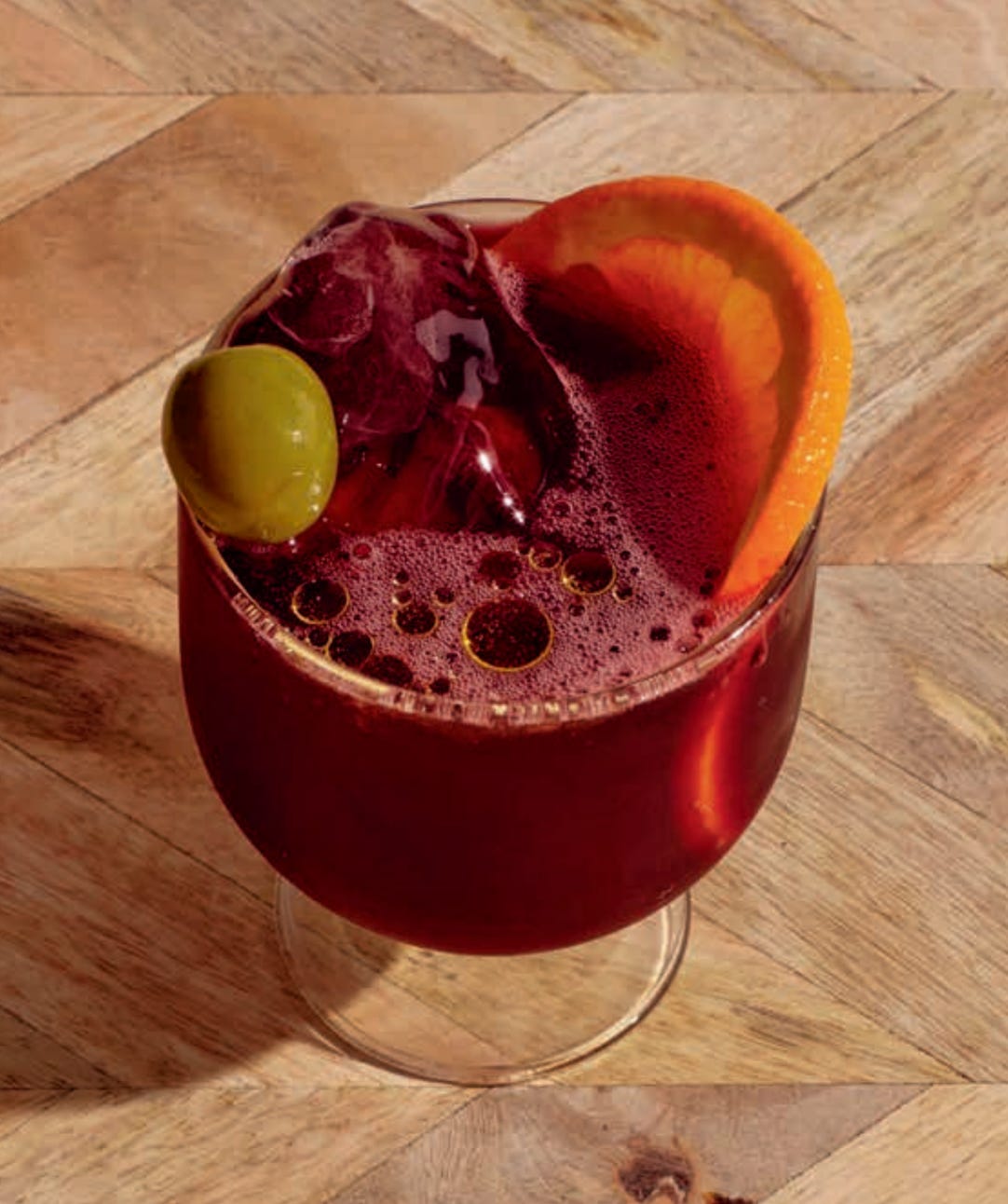
In addition to the restaurant’s specialty cocktail menu, we offered the Lambrusco Negroni from my cookbook (p. 227) – a sparkling, slightly bitter, totally refreshing twist on a classic Negroni (see below for the recipe!).


#2: Curating
I really like to take inspiration from the menu and what’s in season when I curate the tablescape, whether it’s sticking to the same color story, or using the ingredients themselves as part of the table decor. It makes the whole evening look and feel really intentional. For this event, we decorated the table and surrounding areas with modern, bright, and textured florals, and used fruits such as tomatoes, peppers, cherries, and strawberries to add pops of seasonal flare.
I also always make sure to put together a playlist ahead of time that’s long enough that I can throw it on while prepping and know it will play without repeats until guests leave. There’s nothing that interrupts a curated dinner party vibe quite like your liked songs shuffling to a random GLEE cover from 2013 (though I’m all for it at the right time and place), so it’s much better to plan ahead here. Here’s the link to a Spotify playlist I made in June that I’ve had on repeat the past few months.


#3: The Details
Good food and a beautiful tablescape are key ingredients to a successful meal, but adding a personalized touch really kicks the experience up a notch. Things like a personalized invite, menu, place cards, or a small but creative party favor like match books help make for an even more memorable evening.
We created invites with Adobe’s design platform, Express. Express is a content-creation tool that allows you to create PDFs and videos that can be used for things like social media posts, menus, invites, flyers, or really whatever else you need them for. We also used Express to create themed menus, place cards, and party favors: personalizable recipe cards and custom matchbooks. These personal touches and details really elevated the overall vibe of the event, and also helped ensure everyone left the evening with a little souvenir.


capturing and editing content
As a content creator, capturing the dinner party is almost equally important for me as prepping and hosting it. However, when I’m doing a million things at once to ensure both my guests and I are having fun, it can be overwhelming to balance that with capturing all the content that I need.
I always try to focus on capturing the content and worry about editing later. My goal is always to get hero shots of each dish, as well as the tablescape, before serving. When possible, I try to time prep so that these shots can be taken while there’s still natural sunlight. Once we sit down to eat, I take candid photos and videos throughout the meal. This both balances out the curated hero shot content, and ensures that content capture is not disruptive to the meal.


When it comes to editing, Adobe Lightroom is and has always been my go-to. I basically have my entire camera roll uploaded on there, and it’s probably my most used app after Instagram, TikTok, and messages. There are a few key features of Lightroom that I consider to be my holy grail for content editing.
First, the basic editing tools. The two most important categories here are light and color. For light editing, I always brighten my photos, and then as needed adjust shadows and edit contrast. For color editing, I increase the saturation and sometimes the vibrance. My hottest tip is that for food photos, I often decrease the temperature to make the coloring bluer/colder, which instantly makes the food look more appetizing. For photos of people, however, I usually increase the warmth. I also usually sharpen the photo a bit for that crisp detail.
Second, I created custom presets for my edit settings so that I can paste them onto any photo I take, which makes my editing process much more efficient. Lightroom also offers several of its own presets, which filter images in a variety of different ways depending on the vibe you’re going for.
Finally, I use tools like the generative removal tool to remove people and objects in the frame that I don’t want in the final product. For example, if I take a picture of the tablescape, but forget to take someone’s phone out of the frame, I can use this tool to erase the phone from the image and clean it up. You can also use this tool to take people out of the background of pictures, which comes in v handy for photos taken in busy public places.
Okkkk well whether you’re hoping to squeeze in at least one more dinner party this summer, or you’re just perfecting your next IG dump, I hope this mini Lightroom masterclass has been helpful <3 this dinner party was so fun to host and I’m so grateful for the opportunity to have partnered with a company that’s such an integral part of my content creation process.
Event photo credit: @afrikarmando #MadeWithLightroom #AdobePartner
lambrusco negroni
A classic Negroni doesn't always do it for me. Composed of gin, sweet vermouth, and Campari, it's bitter, a little too sweet, and, in my humble opinion, begging for some carbonation. Here I've swapped sweet vermouth for a slightly less sweet and far fizzier red wine: Lambrusco! Honestly, where has this sparkling red wine been all of my life?
For 1 cocktail:
1 ounce gin
1 ounce Campari
2 ounces Lambrusco, well chilled
Sweet vermouth to taste (optional)
Orange slice, for serving
1 green olive, for serving
Extra-virgin olive oil, for serving (optional)
Add a large ice cube to a rocks glass along with the gin and Campari and stir until chilled. Top with Lambrusco, sweet vermouth (if using), an orange slice, an olive, and a drizzle of olive oil if you're feeling crazy.
HOT TIP: I'm not one for rules, but one I strictly abide by is not batching carbonated cocktails. Anything with club soda or sparkling wine MUST be made to order.